Five public holidays fall within a month, and the French treat the gaps between them as a structural feature of the calendar.
May is mostly bridges

The arithmetic of May
France has more public holidays than almost any comparable country in Europe — eleven in a year, and as many as four of them land in May. Victory in Europe Day falls on the 8th. Ascension Thursday arrives forty days after Easter, almost always in May. Whit Monday follows ten days after that, sometimes in May, sometimes just over into June. The 1st is Labour Day. These dates are fixed by law or liturgical arithmetic, not by anyone's preference, and when one of them falls on a Tuesday or a Thursday, the French do something that has its own word: they faire le pont — they bridge it.
Le pont (literally "the bridge") is the one or two working days between a public holiday and the weekend, treated as taken — either as annual leave by the employee, or occasionally as a company decision affecting everyone. The resulting four- or five-day break is so routine that the word needs no explanation when a colleague mentions it in March. The social contract around it is simply assumed.
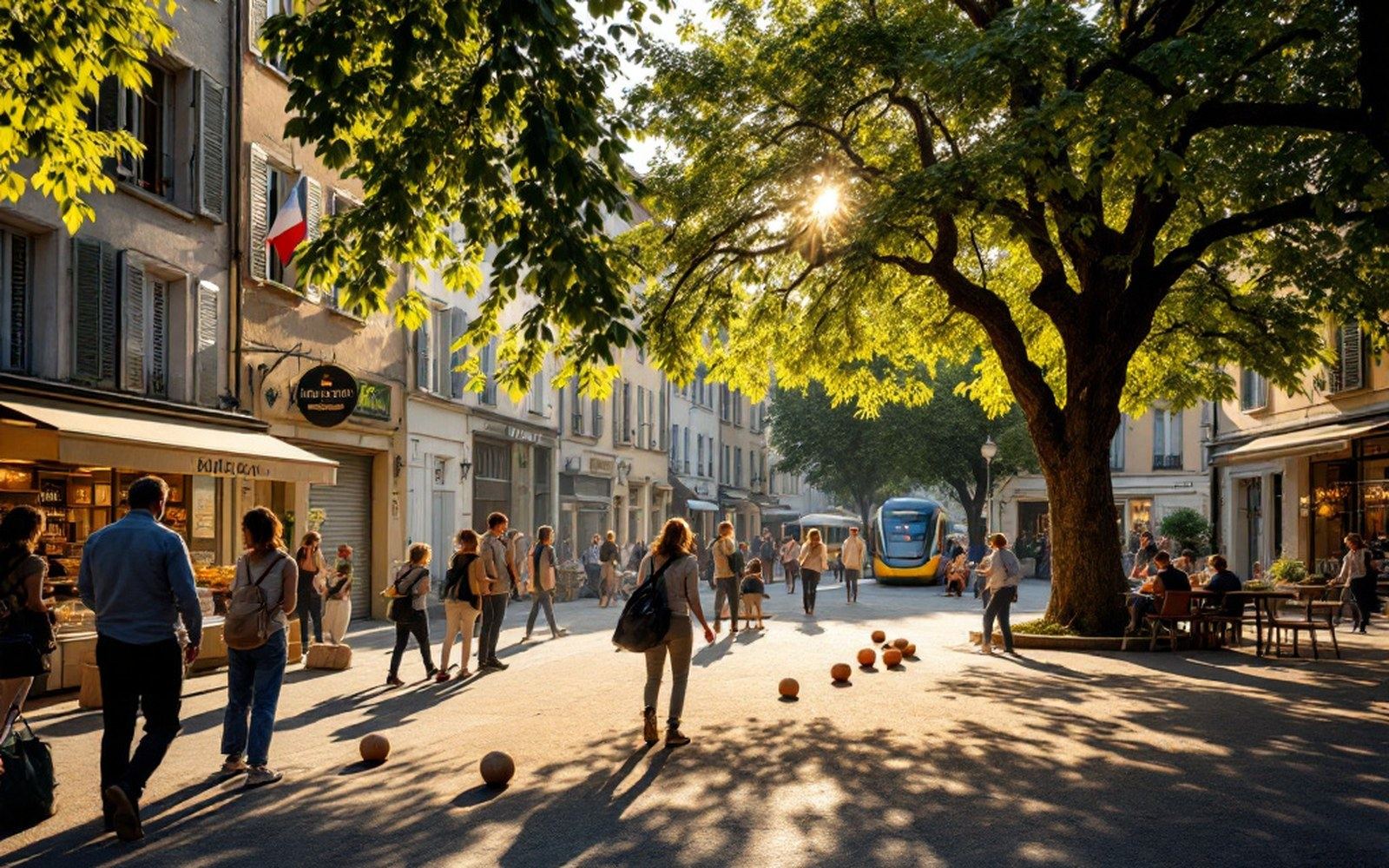
Planned months in advance
The consequence for anyone newly arrived is that May's normal rhythm does not exist. Businesses run on skeleton schedules; some close for consecutive long weekends without being formally shut. School calendars account for the ponts already — the official school year calendar published by the Ministry of Education shows Ascension built into the rhythm every year. SNCF trains on the Friday before and the Monday after a pont fill faster than peak-period TGVs; booking in mid-March for a Bordeaux weekend in mid-May is not excessive.
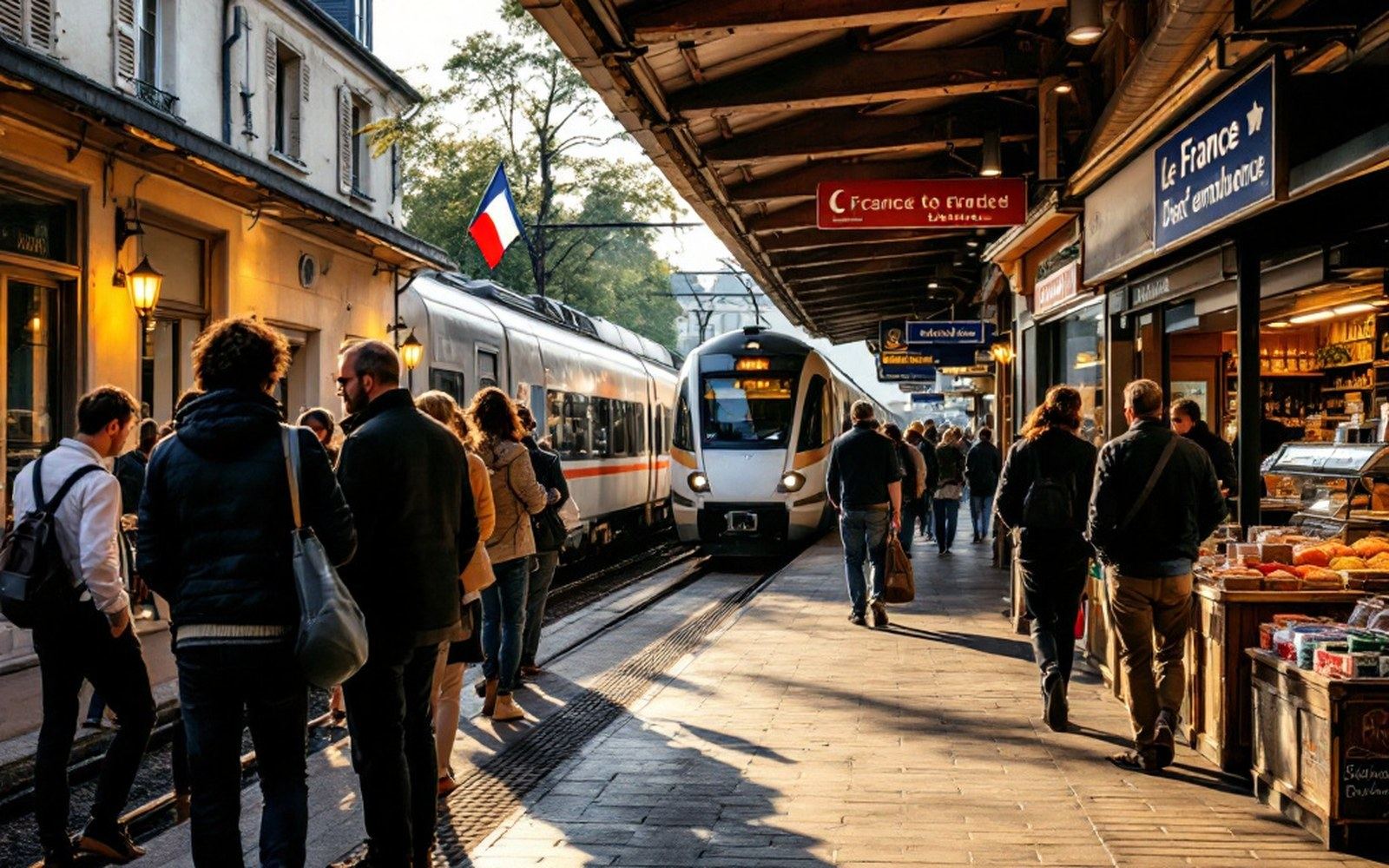
The clustering is not accidental, exactly, but it is not coordinated either. The Christian and civic calendars simply happen to converge in the same five weeks, and the French have adapted their year around that fact for long enough that questioning it would be like questioning the weather. What changes for a newcomer is the expectation: your landlord may disappear, the mairie (town hall) may operate reduced hours, the plumber you have been chasing since April will call back in June. None of this is evasion. It is May.
If June opens and someone seems newly energetic and available, it is because the gauntlet is over. The summer's congés annuels — the long August closures — are still ahead, but those come as a single wave. May is the one that arrives in pieces.