La rentrée is not just back to school — it is the single week when publishing, politics, work and social life all resume, and every French institution schedules around it.
The country restarts in September, all at once
What actually happens
The word rentrée means, literally, a return — but in France it carries a weight no English equivalent comes close to matching. Back to school is a fortnight, a trickle, a staggered start. La rentrée is a collective restart, simultaneous across virtually every domain of public life, and it happens in the first or second week of September with a precision that makes the rest of the calendar look improvised by comparison.
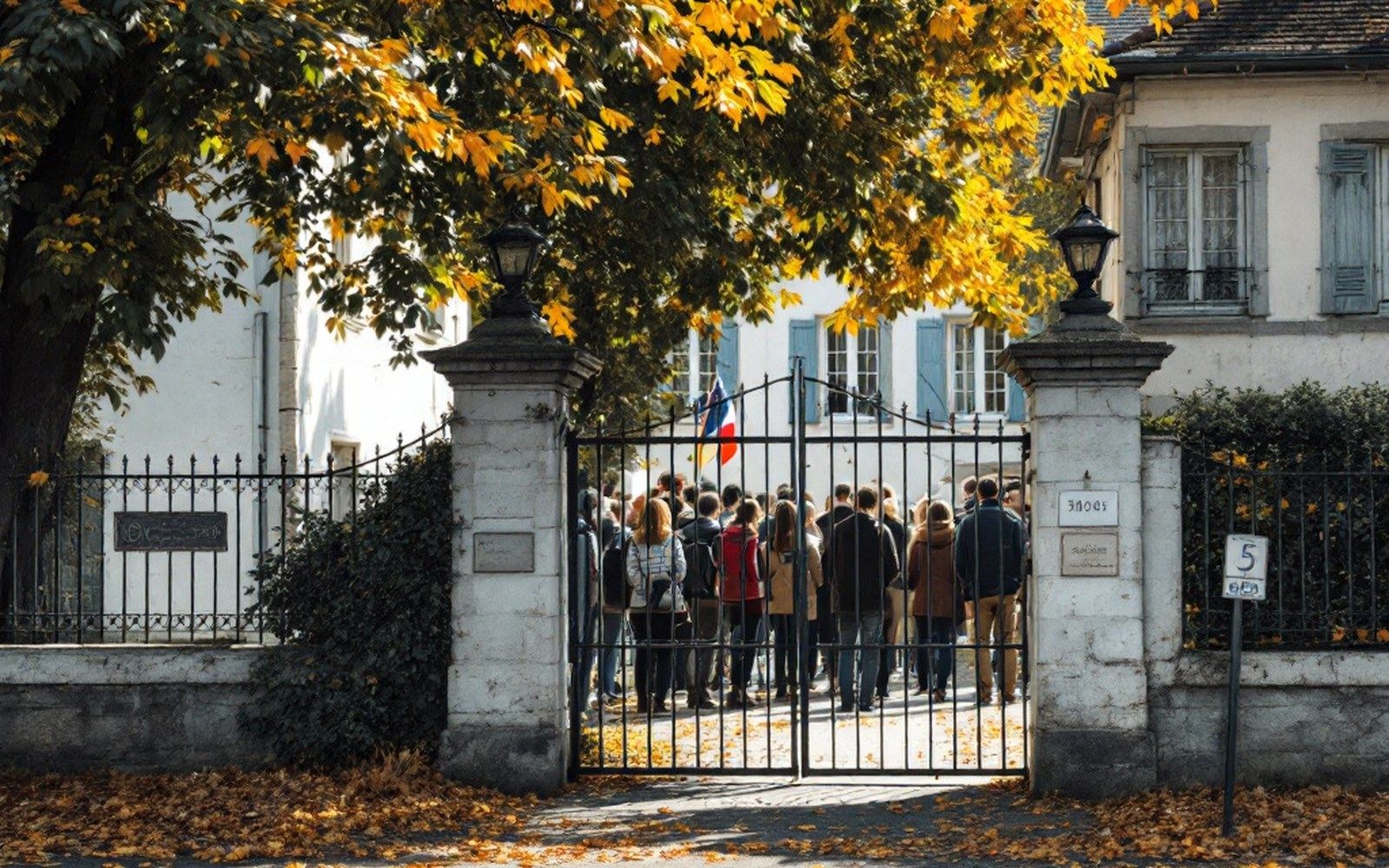
Children go back first, usually on the first Monday or Tuesday of September, for primary and secondary schools alike — the exact date set nationally each year by the Ministry of Education and published months in advance. But the school return is only the most visible layer. Beneath it, or alongside it, or triggered by it, almost everything else in France resumes at the same moment. Offices fill. Diaries open. Meetings that could not happen in August because half the participants were in the Ardèche or on a Breton headland suddenly become possible again. The phone gets answered.
Publishing has built an entire economy around this week. La rentrée littéraire — the literary rentrée — is a recognised industry event in which several hundred new novels are released in a concentrated window, roughly late August through September, deliberately timed to compete for the major prizes awarded in October and November. The Prix Goncourt, the Prix Renaudot and the Prix Médicis all announce their long lists and short lists in autumn, and publishers know that a novel released in June will have been forgotten by the time the juries deliberate. The rentrée littéraire is not a metaphor; it is a commercial strategy backed by decades of practice, and it explains why French bookshops look almost overwhelmed in September while they can feel quiet in spring.
Politics follows the same rhythm with similar rigour. The French parliament's autumn session begins in October, but the rentrée is when political life reassembles: parties hold their summer universities (universités d'été, summer congresses held in late August), leaders give the interviews they deferred in July, and the government announces initiatives it wants associated with fresh energy rather than mid-year fatigue. Legislation that is serious — reform bills, budget frameworks, anything that needs sustained public attention — tends to be launched in September or October, not February or May.
Why August makes it necessary
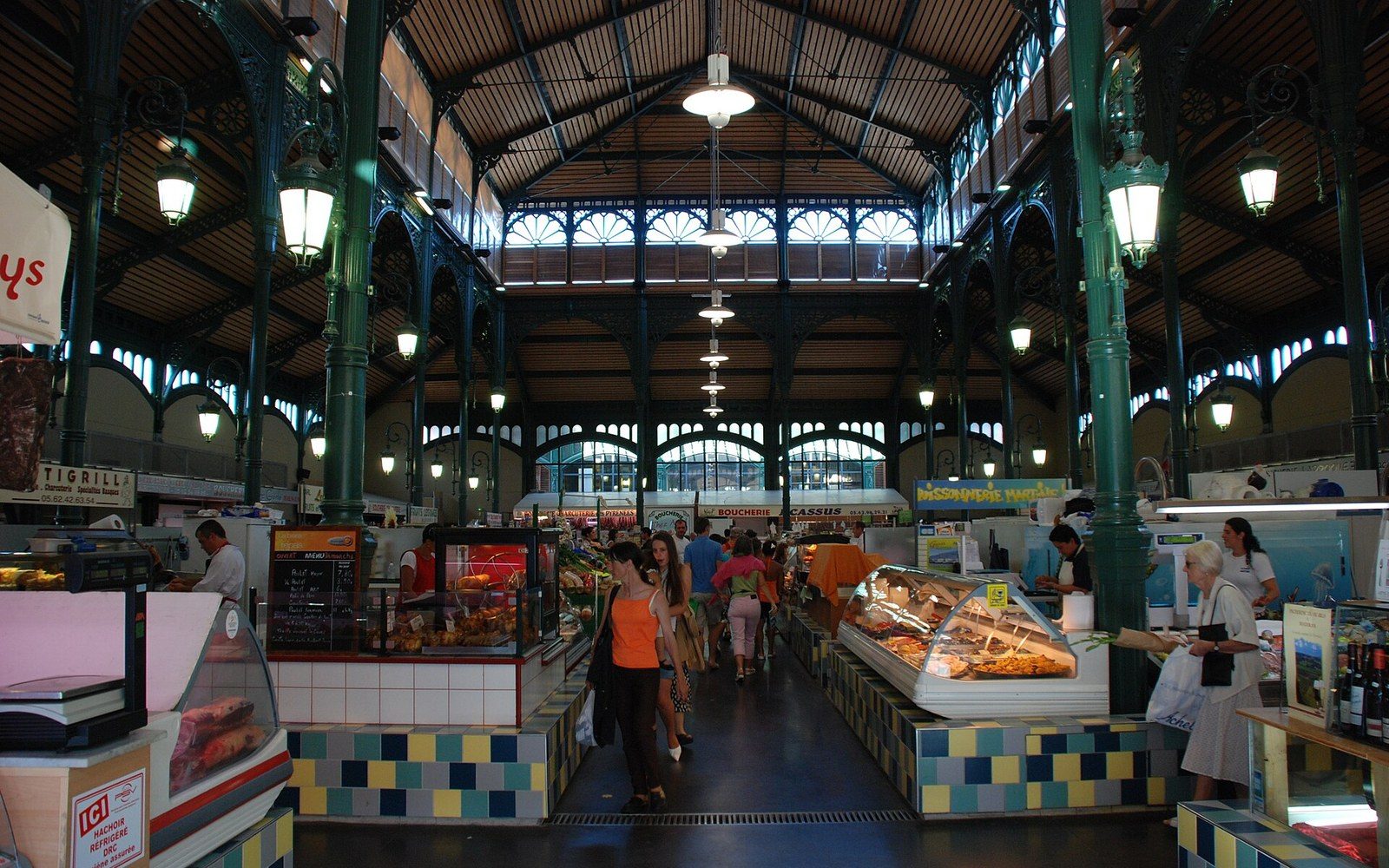
None of this would be as pronounced without August, which is almost its equal and opposite. The month of congés annuels — the annual holidays guaranteed to workers by a system with deep legal and cultural roots — effectively suspends the country. Small businesses close entirely; boulangeries, dry cleaners, neighbourhood hardware shops post handwritten signs and pull the shutters. Cities like Paris shed a layer of themselves: the restaurants that remain open cater largely to tourists, and the particular social texture of a working neighbourhood goes quiet. Even institutions that remain technically operational run on skeleton staffing. August is not laziness or excess; it is structured into the calendar in a way that makes it almost unchallengeable, and it has been that way for long enough that planning around it is simply what you do.
The consequence is that September has to carry the accumulated weight of what August declined to start. The contract that could not be signed, the apartment that could not be viewed, the appointment that was not returned — these do not vanish, they queue. When the shutters come up, they all move at once. For someone newly arrived in France, the sheer compression of September can feel chaotic after a month in which nothing moved.
Scheduling around it
Once you understand that la rentrée is a synchronised national event, a lot of French scheduling that looked arbitrary begins to make sense. Major cultural institutions — the Opéra national de Paris, the Comédie-Française, the larger regional theatres — open their subscription seasons in September. Magazines redesign their formats and relaunch. Journalism is dense with trend pieces about what the rentrée means, analyses of the year to come, collective retrospectives on the summer now ended.
Sport organises itself around the same axis. The football season restarts in August to catch the wave; the rugby calendar does similar things. Television networks launch new series and move established programmes into their autumn slots, consciously competing for the audience that has spent August elsewhere. Advertisers know that attention, broadly understood, resets in September and plan their campaigns accordingly.
For anyone managing a diary — personal or professional — this means that the first two weeks of September are, reliably, the most crowded of the year. If you need to see someone, get something agreed, attend something important, September will do it and do it quickly. If you miss the window, the next natural clearing in the French calendar is not until after the Toussaint school holiday break in late October or early November, by which point the year is starting to feel finished.
What it feels like from the street
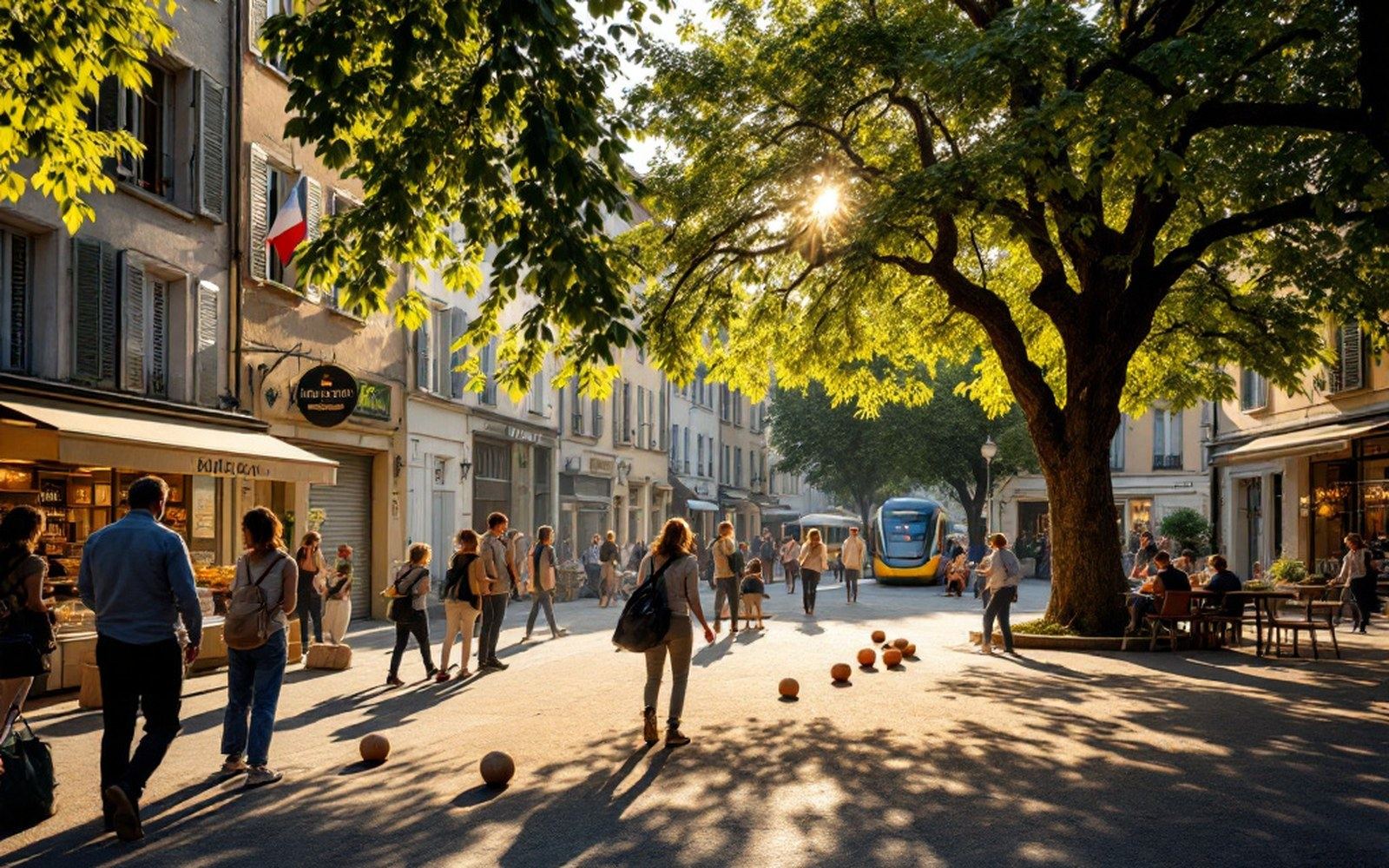
What gives la rentrée its particular quality is that it is felt, not just noticed. There is a change in the speed of the pavement, the density of the boulangerie queue at 7 a.m., the pitch of the conversation in the café. The school bags on the backs of children who look quietly resigned. Parents who look slightly more so. A new academic year's worth of supplies arranged in pharmacy windows and tabac displays. The tabac — the tobacconist that also sells transport passes, stamps, lottery tickets and stationery — does serious business in the first week of September, because the carnet of school exercise books has to come from somewhere.
If you have come from a country where this kind of collective synchrony does not exist — where things restart on a rolling basis, staggered across weeks, barely noticed — la rentrée can take a moment to believe. It looks, from the outside, like a country that decided to press pause and then press play, together, on a date they all agreed on. That is, more or less, exactly what it is.