The stalls go up at dawn and vanish by noon. The vendors will be somewhere else tomorrow — somewhere else that already knows which day it is.
The market is a timetable, not a place
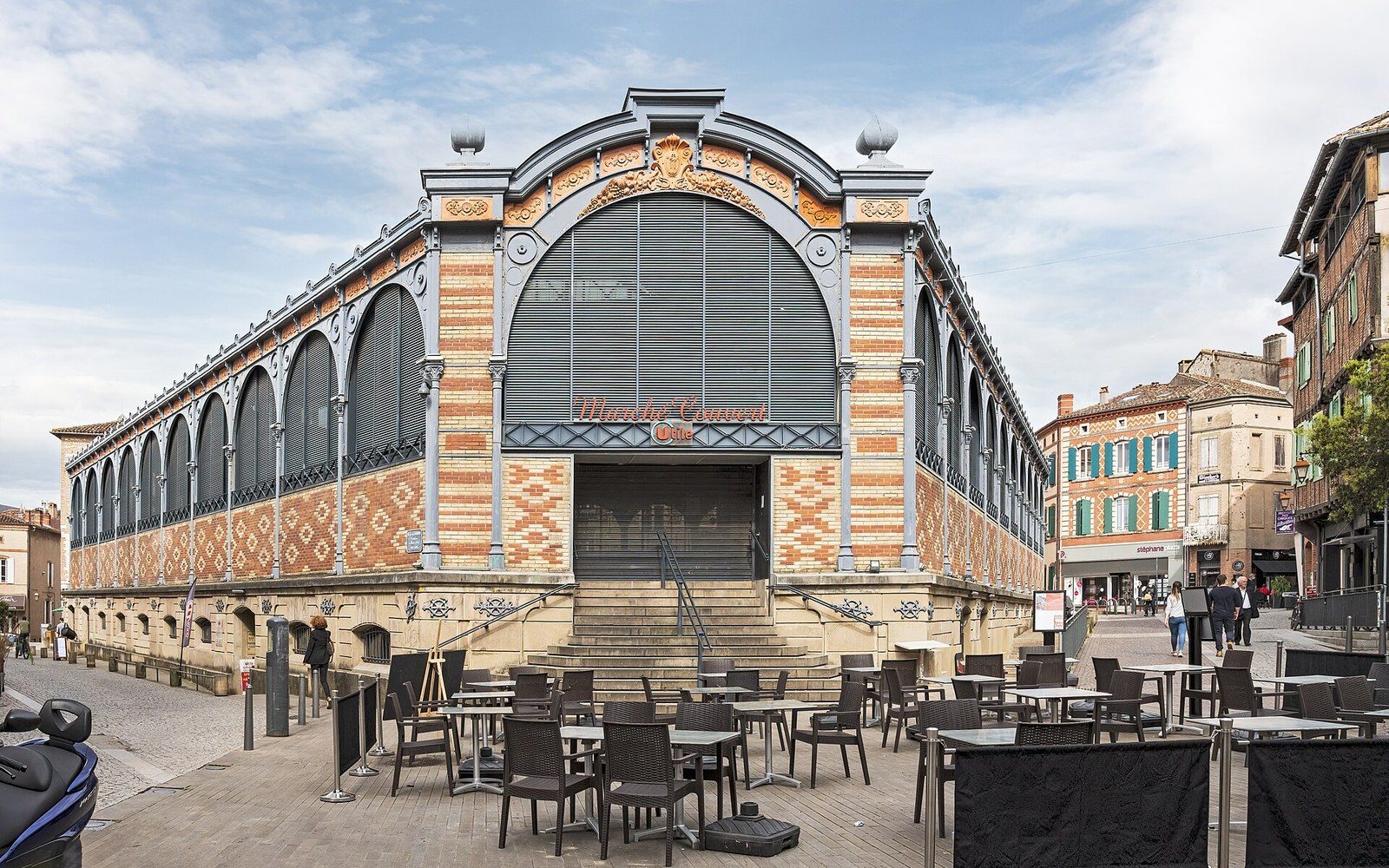
A Circuit, Not a Destination
The French outdoor market — the marché — is not a permanent feature of its location. It is a scheduled event, and the schedule is the first thing a newcomer needs to understand. Each commune (the smallest administrative unit of French territory, of which there are nearly 35,000) typically holds its market on a fixed day of the week, sometimes two, occasionally three. Miss it and you wait a week. There is no workaround.
What makes this more than a municipal quirk is that the traders themselves are the same people across several towns. A cheese seller working a Tuesday market in one village will be at a different town's Thursday market, and somewhere else again on Saturday. These are professional forains — itinerant market traders operating under licences that assign them specific pitches at specific markets across a fixed circuit. A region's markets are, in effect, a rotating schedule: the stalls arrive, the stalls leave, the day advances.
This circuit logic is partly why Saturday markets in larger towns are bigger and more crowded — traders converge on the higher-footfall day, and locals from smaller communes drive in. The Tuesday market in a quiet village might be four vegetable stalls and a van selling cleaning products. The Saturday market in a market town might fill an entire square and two side streets. Both run to the same underlying rule: the day is known, the place is fixed, the start time is early and the finish is absolute.
Reading the Timetable
Market hours in France tend to follow a pattern that surprises newcomers: most outdoor markets open around seven or eight in the morning and pack up by one in the afternoon, sometimes earlier. The serious buying happens in the first two hours, when the produce is freshest and the selection widest. By eleven the crowd thins; by noon the traders are already dismantling. Arriving at half past twelve is not shopping — it is witnessing a breakdown.
Finding out which day your nearest market falls on is genuinely not obvious when you arrive. The mairie (the town hall, which administers most local civic life) is the right first stop — market days are often listed there, or posted in the window. Larger communes list them on municipal websites. Tourist offices, if your town has one, usually publish schedules covering nearby villages too. Word of mouth works well in practice: ask the boulangerie (the bakery), where the staff know every rhythm of the week.
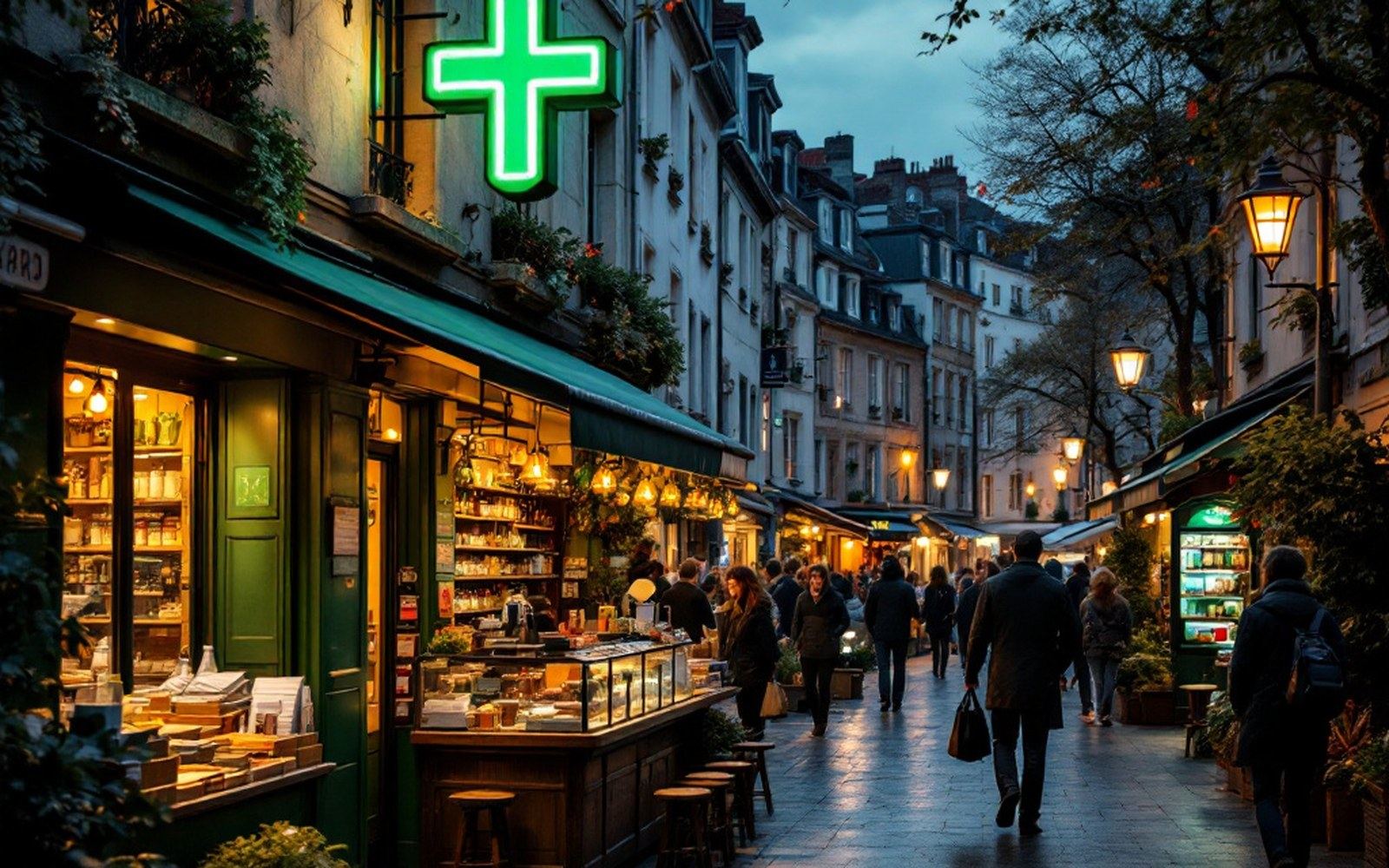
In cities, the situation is more layered. Paris alone runs dozens of neighbourhood markets, some daily, some twice weekly; the covered market halls, the halles, operate on their own schedules, often with longer hours. Lyon's Quais de Saône markets and Marseille's Marché de Noailles each have their own character and timing. But the same principle holds: knowing the schedule is the entry price.
What You Are Actually Buying
The circuit system means that the trader you buy from on Saturday is not a local farmer — almost certainly not. Most forains are specialist wholesalers or small producers who buy in bulk and sell at market. Genuine farm-gate producers do exist, and are usually marked as producteur local or vente directe (direct sale), but they are a subset, not the rule. This is not a reason to avoid markets: the produce is typically fresher, the prices often lower, and the selection more seasonal than a supermarket's, because nobody is refrigerating a tomato for three weeks to hit a supply chain. But it pays to know what you are looking at.
The markets that do the most to anchor local life are rarely the picturesque ones photographed for travel features. They are the mid-week, mid-sized markets in ordinary towns, where the same stall has the same pitch for decades and the traders know which regulars take half a kilo of green beans and do not need to be told.
The timetable is the point. Learn it and the market is reliably there; ignore it and it simply isn't.